They are Only a Small Part of the Equation
Having a film script you believe in, wanting to get it turned into a feature is an exciting and daunting adventure. To be among the 150 to maybe 200 of these films which reach that success each year is a dream for many. This is an emotional goal and a passionate pursuit of many more filmmakers than these 150+ films represent.
Independent Passion
Independent films among those released films that break through can make a significant mark. It usually creates a fervor not dissimilar to that caused by Obsession this year, where lots of people were making predictions from it. As if a single picture, or even two, can really mark a trend.
If the percentage of film scripts that go through development, go through funding rounds, and then get made and released is well less than 1%, then these exciting and daunting adventures are achieved through driving emotional goals and passionate pursuits. The creative side of this endeavor lives in that place of passion and emotion, but the execution side, and the achievement side, what we see, live much more in the world of business.
Somebody had to put money into the film(s), and somebody had to get those who put money in to see that it was not just a dream or a wish or a passion, but a potential (even if risky) place to put their money.
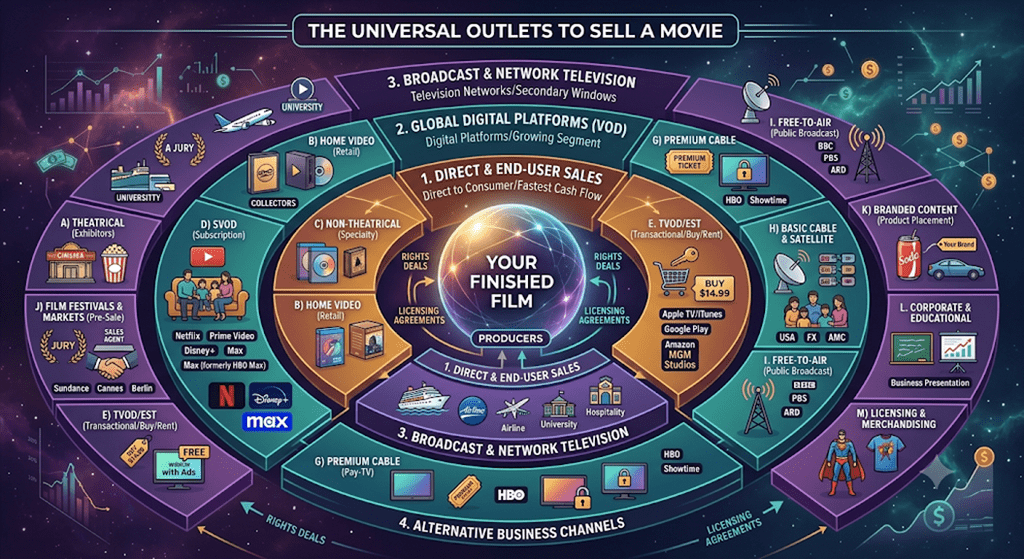
Can a cool AI-generated graphic like this make the sale? I made this AI Infographic, and it shows how they can take a lot of your time and tell you very little you can use.
Independent Business
There are a wide range of feature film projects seeking funding at any one moment. The ones I work on typically range from $2M to $40M. But nowadays, they almost all adhere to some combination of a finance stack.
Primary Finance Stack or Funding Portfolio
Consists of (but is not limited to):
- Private Equity
- Locale Incentives and Rebates (state, federal, regional)
- Industry Sales Contracts or Minimum Guarantees (MGs)
The higher on the list the easier it is for an independent to access. And a bow to Randy Greenberg (who I worked with on The MEG) for his Finance Stack article.
These are the key potential elements in a funding portfolio. Many independent filmmakers have potential to access items 1 and 2. Few independent filmmakers have access to item 3. The reason for this exists within the differences between the “development” of your film project, and the “packaging” of your film project. Items 1 and 2 do not necessarily require extensive “packaging” of director, producer(s) talent and market sales deals. Item 3 can require all of them. These are typically two distinct states of activity but often blended in folks’ minds. SEE: Are We in Development, or Are We in Packaging of Our Feature Film?
My clients typically seek to access 1 and 2, But a good number are also developing their projects to access the expanded finance potential in item 3. There are major differences in all three of these elements, and they should be understood and approached with open eyes and a significant amount of information (intelligence/data).
Good Business Intelligence is Then Your Friend
Information should be your friend. It is typically what drives business decisions. Emotion should be the engine that drives a filmmaker, but business practices and real intelligence and knowledge is the engine of finance and execution. Trusted business analysis focused on your film gathers together and efficiently shows the information or business intelligence that has helped you and will continue to help you in making decisions and executing your plan. It is a proof of seriousness in the endeavor.
The creative side of filmmaking is very complex and very technical, and often the latest knowledge and innovations drive activity. The business side craves and thrives on knowledge and intelligence. When showing a target financier (private equity – maybe not your best friend’s dad or your aunt) your film and your plan, it is best to back up anything you say with real world data. I have found that many filmmakers are charged with making a solid case even by their relatives.
So, information, good information, intelligence become crucial. I would never trust people who tell me their audience is 50% female and 50% male, and 30% over age 25 without proof attached.
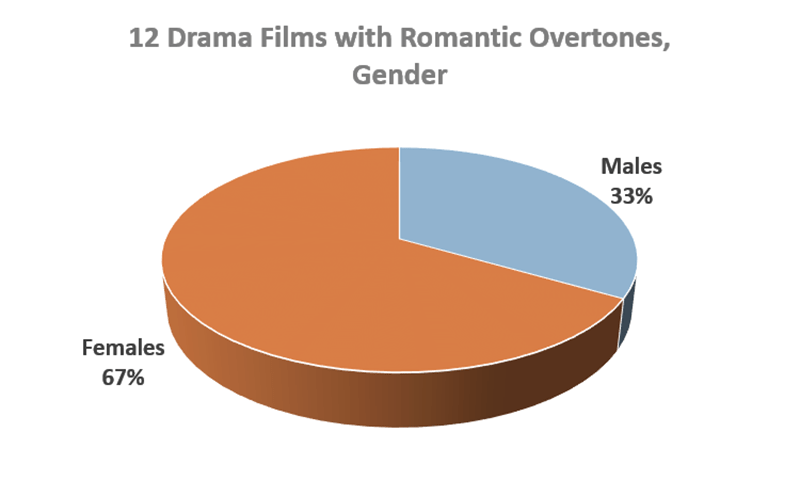
Real intelligence is that proof. I see people making statements in proposals, pitch decks and so on, of who they think will love their film and attend, but without any supporting and granular data that ties it to the real world. This is hard work. I know, I do it every day. I often see infographics that are not backed up by the relevant research and diligence that investors and even the filmmakers need. An infographic made with AI is a pitch with pictures, not a proof or a plan. An entrepreneur who made their money by doing good business, studying market conditions, approving marketing budgets or conducting store traffic analysis will not be impressed by, nor will they be fooled by a filmmaker who is not exerting the same integrity and diligence in their own business. Truth, Integrity, Diligence should be watchwords and information is your friend.
The Bridge from The Emotional Drivers to The Business Drivers
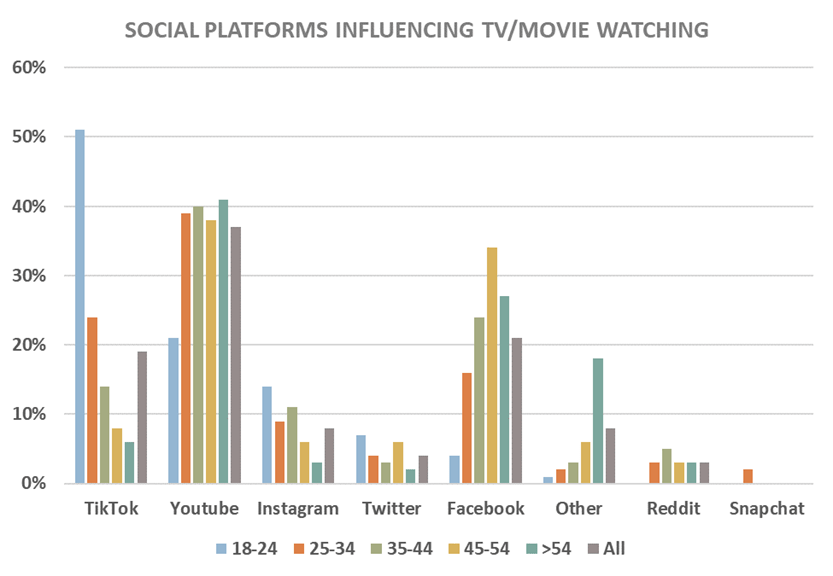
In my own practice of providing filmmakers with a la carte film reports, financial and audience analytics, film performance analyses, and other components, every page, every paragraph and every chart is required to be driven by intelligence that deals with the realities of the marketplace and its consumers, delivered in detail. That intelligence can be what a pool of films likely got in SVOD deals, or where the audience gets their information, among many, many topics. This is all meant to give a filmmaker who is running on their passion and emotion the best bridge to the business of the film business. Respecting real world market intelligence is how people with money became the people with money.
A Bit on Locale Rebates and Incentives
Every state, country and region it seems is jumping hard into the game of supporting filmmaking by returning a percentage of approved production spend to the company. This can really aid independent films in making their mark or tipping over the profit line. The incentives are different almost everywhere, in rates of return, in the rules for qualifying, the portion of a budget covered, and how and when the money is returned.
A young PM that had done the budget for a sub-$5M film I was working on was enthusiastically touting a particular state and their rate and included it as real and tangible in their budget bottom line. I am very careful about including incentives that are not contracted, at a minimum. But when I dug into it, the state informed me that no matter what the spend was that qualified, only the taxes paid by the production would be returned, and any overages from the qualified spend, the producer would have to “sell” to other producers. How many producers want to be in the tax credit sales business, along with the mountain of other tasks they have to achieve? Just one case where real information is the producer’s friend.
And Emotion: A Strength and A Weakness
A filmmaker holds the vision of the film they want to make, and their emotion and passion for achieving that are driving wheels that sustain them on the path to achievement. This emotion-driven nature of filmmaking makes filmmakers potential marks for operators who will focus on their emotions and offer what seem like easy and desirable answers. Refining your pitch is important but no panacea, creating well-constructed graphics if clear and concise can be very helpful, and even personal coaching can have its very limited place, but they are no substitute for real world business, and can backwater a filmmaker who believes they have found the easy way to their goals. More than that, I am sorry to say, the dreaming part of filmmaking often needs to be tempered by experienced advice, and sometimes that can be painful, to learn how things really work in the land of contracts, deliverables and actual potential values; and to learn that every film has an internal timeline that does not respect their dream timeline or need for quick money. To make a film, every member of your team needs to know their task, its timelines and its crucial contribution to the final experience you deliver. Your business advisors need to know their tasks, for real, and need to be honest with you and deliver real value for the effort you will both take.

Note: In your finance stack there can be other elements, but they are often smaller contributors, or even very hard to achieve.
Secondary Finance Stack or Funding Portfolio
- Product Placement (not as easy as it seems)
- Government or Organization Grants and Schemes (often in Europe, etc.)
- Co-production partnering, domestically or cross-border
- Bank Wrap-around Loans, Single Picture Loans (come with lots of caveats and require significant packaging and investment protection like the packaging discussed in item 3 in the Primary Finance Stack to qualify)
The higher on this list, the easier it is for an independent.
I hope this helps some of you with your thinking and planning. If it seems valuable to you, and you’re not a subscriber, being a subscriber gives you access to things like special discounts. Sign up below.
Onward and upward
Jeffrey Hardy
Subscribe and get these missives sent to you.
For answer to a quick question, submit it here.
To submit a project and get much more detailed information about our services, submit it here.

Leave a Reply